Designing Automation Systems That Scale Without Breaking
Jan 11, 2026

Leo Grant

Introduction
Scaling an AI automation agency is not just about handling more volume. It is about handling failure gracefully.
As systems grow, so do edge cases. APIs fail, data formats change, and human inputs become unpredictable. The agencies that scale smoothly are not the ones with the most advanced automation, but the ones with the most resilient systems.
Good automation design assumes things will go wrong and plans for it in advance.
Why Most Systems Break Under Scale
Many automation systems work perfectly at small volumes. Problems only appear when usage increases.
At scale, small issues compound quickly. A single failed automation can create data inconsistencies across multiple tools. Without visibility, these issues often go unnoticed until a client is affected.
The root cause is usually fragile design. Systems are built to function in ideal conditions, not real ones.
Designing for Failure, Not Perfection
Resilient systems are designed around failure scenarios.
Every automation should answer a few critical questions:
What happens if this step fails?
Who is notified when something breaks?
How can the system recover without manual firefighting?
Fallback logic, alerts, and manual override paths are not optional. They are essential for maintaining trust and reliability as the agency grows.
Modularity Matters More Than Complexity
Another common mistake is tightly coupling systems together. When one part changes, everything else breaks.
Scalable automation systems are modular. Each workflow or service can be updated, replaced, or improved without rewriting the entire system.
This approach reduces risk and allows teams to iterate faster. Change becomes manageable instead of dangerous.
Visibility Creates Control
You cannot improve what you cannot see.
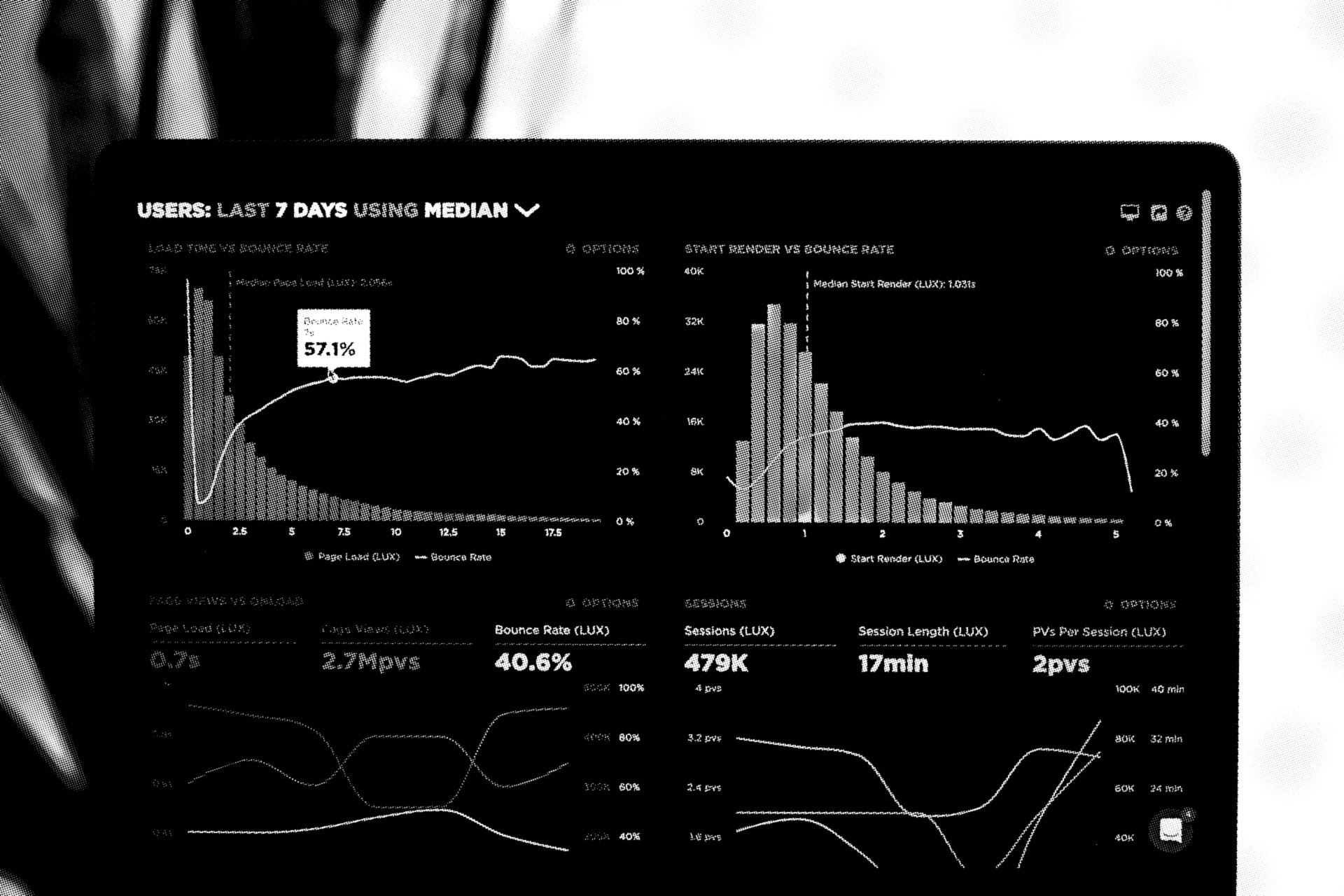
Logging, monitoring, and simple dashboards provide insight into how systems behave over time. Visibility turns automation from a black box into an operational asset.
When teams understand what is happening inside their systems, they can fix problems early and optimize with confidence.
Final Thoughts
Strong automation systems are not flashy. They are predictable, observable, and resilient.
Scalability comes from thoughtful design, not complexity. When systems are built to handle failure, growth stops feeling fragile and starts feeling sustainable.
That is how AI automation agencies scale without constant firefighting.